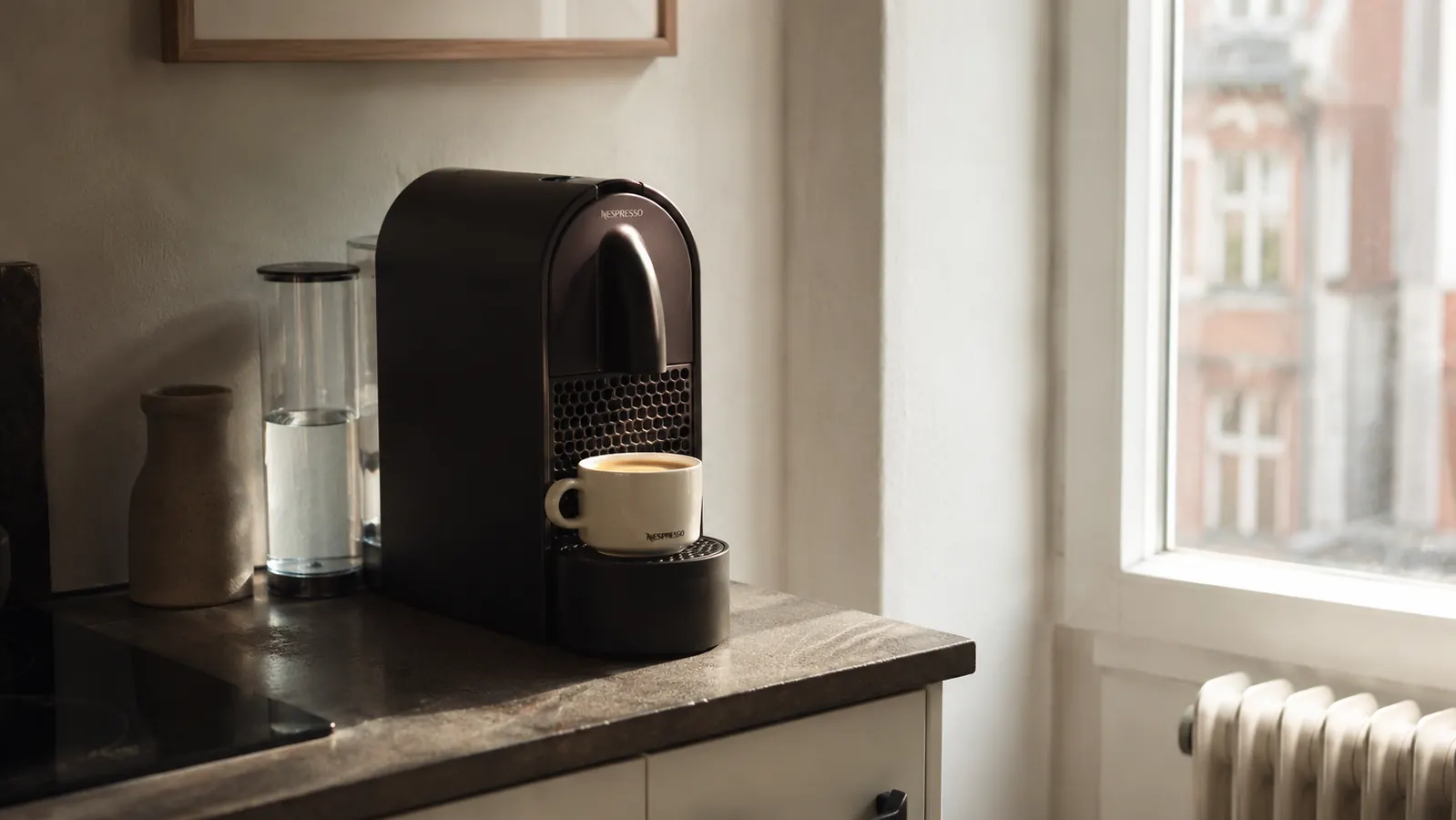
Let me be straight with you before we get into this. I bought the Nespresso Essenza Mini by De'Longhi because I live in a 520-square-foot apartment, I had exactly eight inches of counter space to work with next to the sink, and I was tired of paying coffee shop prices every morning at the shop downstairs. What I did not fully understand when I clicked buy is that the machine is essentially a subscription service in a box. The hardware is great. The capsule economics are something else entirely, and I want to walk you through them before you spend a dollar.
This is not the review that tells you the espresso tastes rich and the machine heats up in 30 seconds and the footprint is genuinely small. All of that is true. This is the review that tells you what the box does not say: what you will spend over a year, what you cannot do with this machine that you might expect to do, and exactly which type of person should walk past it and buy something else.
The Quick Verdict
A genuinely excellent espresso machine for small spaces, but the capsule lock-in makes it expensive to run daily. Best for people who want coffee-shop quality without coffee-shop lines, and who can live with the per-cup cost.
Amazon Check Today's Price →If you drink one or two espressos a day and hate cleaning a grinder, this machine earns its counter space.
The Nespresso Essenza Mini by De'Longhi is rated 4.6 stars across more than 6,000 Amazon reviews. Available in several colors with free Prime shipping.
Amazon Check Today's Price on Amazon →What Nobody Tells You: The Real Cost of Running This Machine
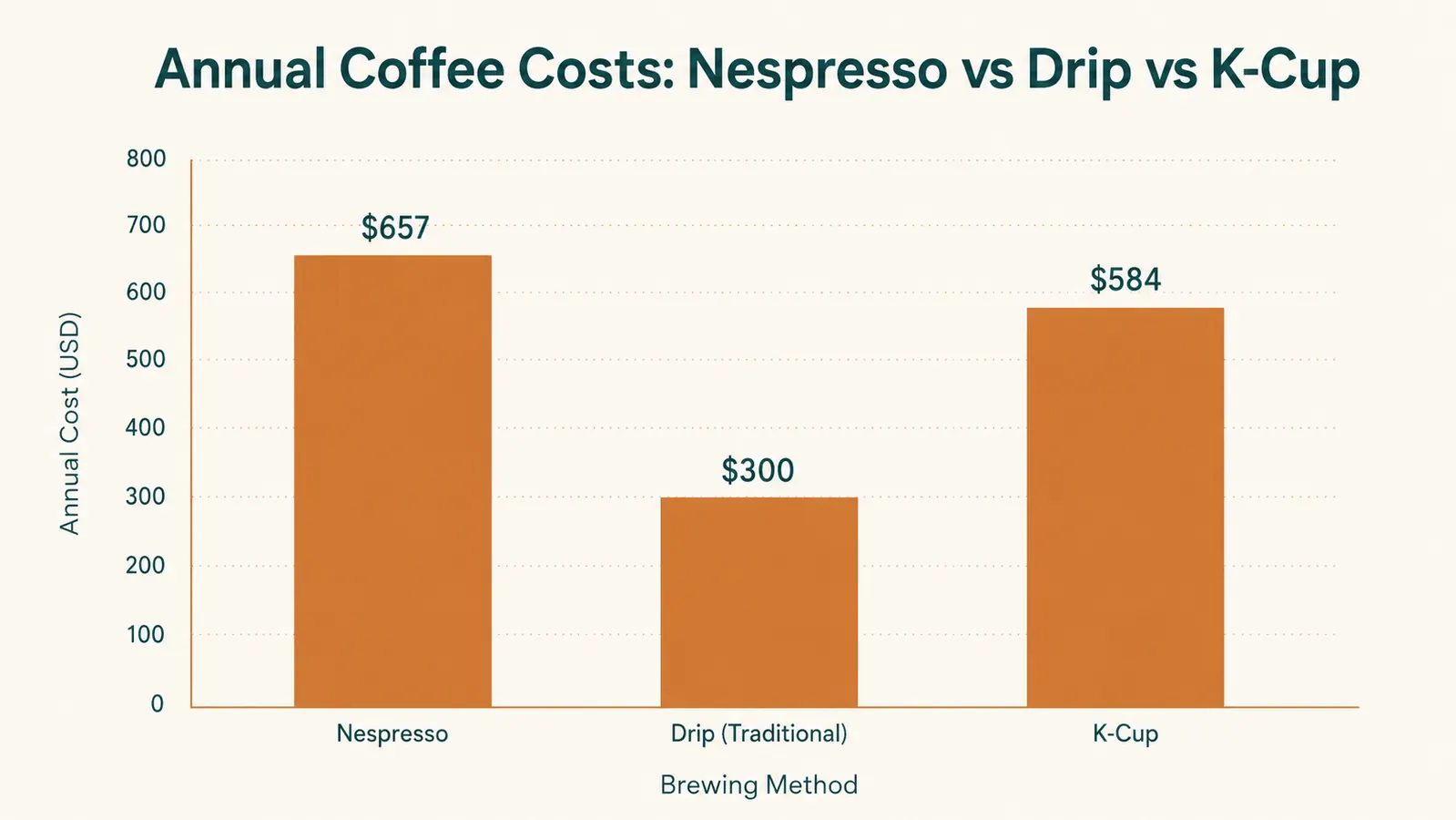
The Essenza Mini uses Nespresso Original Line capsules. A box of 10 Nespresso-branded pods runs in the typical range depending on the variety. That is a modest cost per espresso. If you drink two per day, you are looking at a reasonable daily capsule cost. Over a full year, that is a moderate ongoing expense in capsules on top of whatever you paid for the machine.
Compare that to a bag of whole-bean coffee for a standard drip machine or a moka pot. A 12-ounce bag of decent whole beans costs moderately and makes roughly 34 eight-ounce cups. That works out to a reasonable cost per cup, or a moderate annual cost for two cups a day. The Nespresso costs you roughly twice as much to operate over a full year, and that is using the affordable third-party compatible capsules, not Nespresso's own premium lines.
That math is not a reason to skip the machine. It is a reason to go in with clear eyes. If you were spending coffee shop prices every morning, this machine pays for itself in under two months and keeps saving you money for as long as you own it. If you already own a cheap drip machine and you brew at home, switching to the Essenza Mini will cost you more per cup, not less. Know which scenario you are in.
The Essenza Mini pays for itself fast if you are coming from a coffee shop habit. If you are coming from a drip machine, it will actually cost you more per cup. Know which one you are.
The Proprietary Capsule System: Freedom and Lock-In
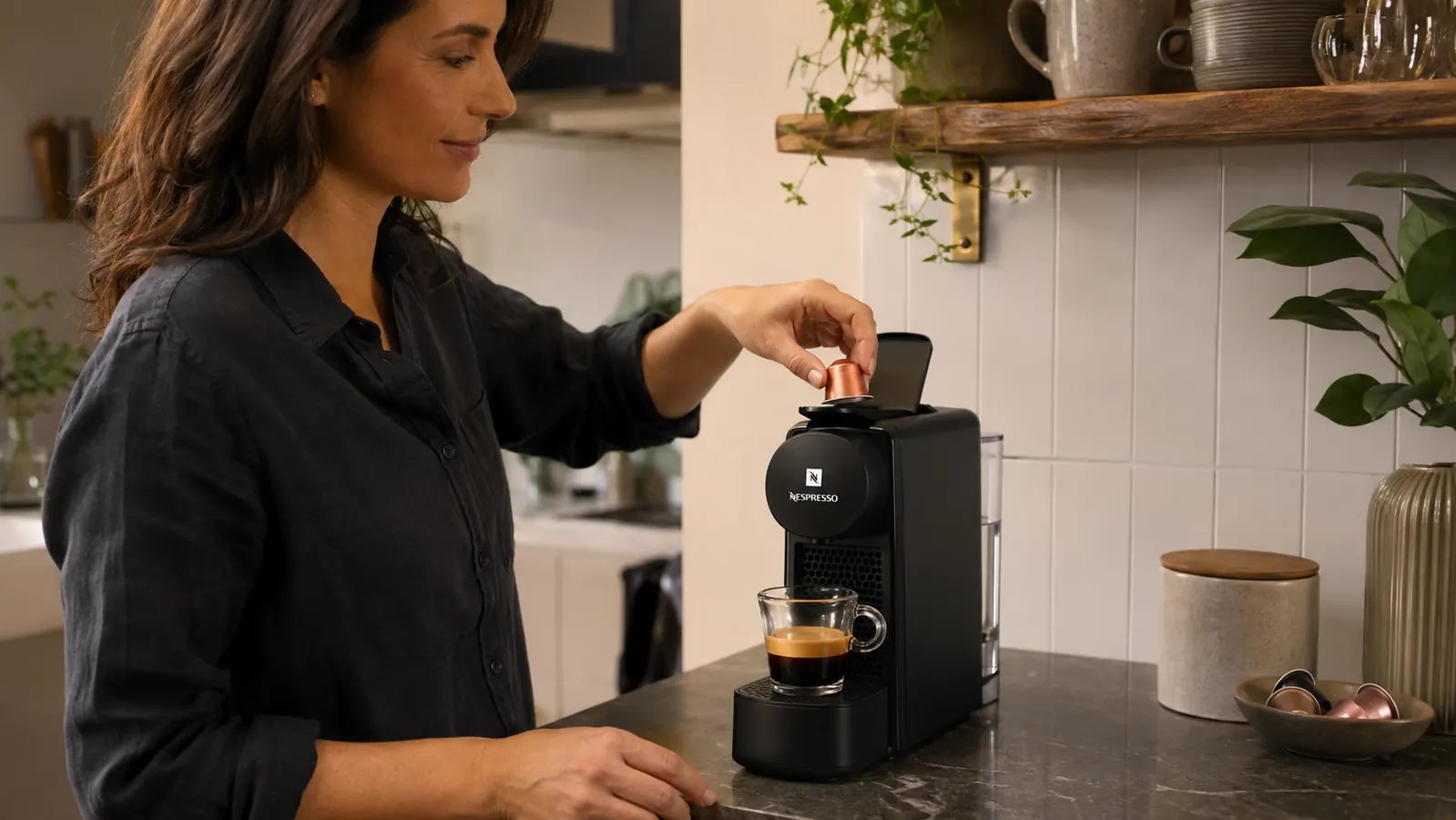
The Essenza Mini uses only Nespresso Original Line pods. It does not work with Vertuo capsules, K-Cups, reusable pods from random brands, or any other format. That is important to understand before you buy, because it means your coffee supply options are narrower than with an open-format machine.
The good news is that the Original Line is the most widely supported Nespresso format. Beyond Nespresso's own pods, dozens of third-party brands make compatible capsules, including Starbucks, L'Or, and various store brands. You can find them at Target, Costco, and most grocery stores. Prices on third-party options often come in noticeably lower per capsule than name-brand options, which meaningfully improves the annual cost math I ran above.
There are also reusable refillable capsules you can buy separately and fill with your own ground coffee. They work, but they add a step and require you to dial in your grind size. If you want to use your own beans occasionally, refillable capsules are worth knowing about. If your whole reason for buying a pod machine was to skip the grinding and measuring, refillable capsules partially defeat that purpose.
What This Machine Cannot Do
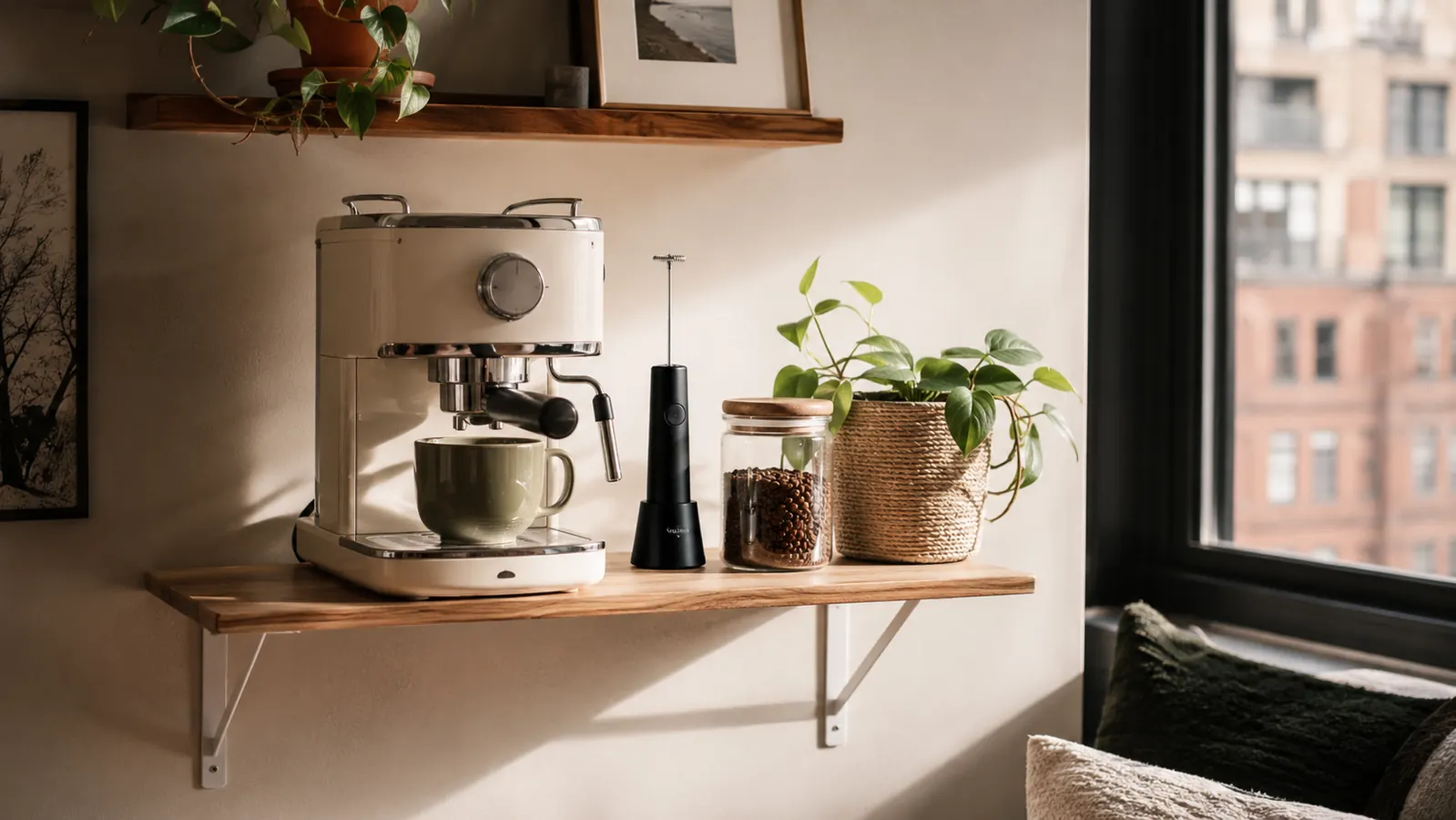
The Essenza Mini brews one thing well: small-format espresso and lungo shots. It does not heat milk. It does not froth. There is no steam wand, no built-in frother, and no integrated milk system. If you want a latte or cappuccino, you need to buy a separate handheld frother or a small standalone frother and do that step yourself. That adds a piece of equipment, a cleaning step, and about 90 seconds to your morning routine.
This is the single most common surprise complaint in the Amazon reviews. People order the machine expecting café-style drinks and then discover they need to buy a frother separately to get there. If lattes are your daily drink, budget for a frother alongside the machine and you will be happy. If you thought lattes were included in what a Nespresso machine does, now you know they are not.
The machine also does not make full-size drip coffee. The largest button setting produces a lungo, which is roughly 3.7 ounces of coffee with more water pushed through the same capsule. If you want a 12-ounce mug of light-roast coffee to sip while you work, this is not the machine for you. It is built for espresso culture: small, intense, and quick. American-style drip drinkers often feel short-changed by lungos. Know your coffee habits before you commit.
Descaling and Maintenance: The Hidden Time Tax
Here is the thing nobody mentions in the initial-impression reviews: this machine needs to be descaled every three months if you have hard water, or every six months if your tap water is on the softer side. Nespresso sells a descaling kit at modest cost, and the process takes roughly 20 to 30 minutes start to finish. The machine walks you through it with a blinking light sequence, so it is not complicated. But it is a real task that you need to schedule and remember.
If you skip descaling, mineral deposits build up inside the heating element and the machine starts pulling weaker shots over time. Some people notice their espresso getting less flavorful after a year and assume the machine is dying. Usually it just needs a descale. Running the Nespresso-brand descaling solution is the safest option. Third-party descaler solutions also work and come in at a lower price. Either way, budget roughly mid-range per year for descaling supplies and factor that into your total cost of ownership.
Build Quality and the Small Details That Matter
Here is what genuinely impressed me: the machine is lighter and smaller than the photos suggest. It weighs about four and a half pounds and measures roughly 4.7 inches wide by 12.8 inches deep by 8 inches tall. In a kitchen where counter real estate is treated like parking in a city, that footprint is meaningful. It slides under most upper cabinet clearances without issue, which not every compact machine manages.
The water tank holds 20 ounces, which covers roughly five to six espressos before you need to refill. It detaches from the back for easy filling at the sink, which matters when your sink is two feet from the machine and you have no room to tilt a full carafe. The used-capsule container holds about six to eight spent pods before it needs to be emptied. In practice, I empty it every three to four days.
One detail I did not expect: the machine stops automatically when the capsule container or the drip tray needs attention. A small indicator light blinks to tell you what it needs. It sounds minor until you realize some cheaper machines require you to keep track of this yourself and will happily overflow if you forget. The Essenza Mini is tidy and a bit bossy about maintenance, and I mean that as a compliment.
The Espresso Quality Itself: Is It Actually Good?
Yes. This is where I want to be direct because some reviews hedge this question and I think that is unhelpful. The espresso that comes out of this machine is genuinely good. Not Intelligentsia-on-a-La-Marzocco good, but better than most coffee shops that are not specialty coffee shops. The crema is consistent, the temperature is correct, and the 19-bar pressure extraction produces a shot that is smooth without being flat.
The flavor is entirely dependent on which capsule you use, so results will vary. Nespresso's Ristretto is a standout. Their Kazaar is very strong and slightly bitter, which some people love and others do not. The L'Or Delizioso third-party capsule produces a smoother, slightly sweeter cup than most of the Nespresso originals at a lower per-capsule price. Capsule choice matters more than any machine setting.
The one honest limitation on quality is that the capsule format caps your ceiling. A skilled barista with fresh beans and a quality grinder will always outperform a pod machine on pure extraction quality. If you care deeply about single-origin nuance and roast profiles, a pod machine is not your destination regardless of how good the hardware is. For everyone who wants consistently good espresso with zero skill required, this machine delivers.
What I Liked
- Genuinely tiny footprint: 4.7 inches wide, fits under most upper cabinets
- Heats up in 25 to 30 seconds with no waiting around in the morning
- Consistent espresso quality with good crema on every shot
- Easy daily cleaning: no grounds, no filters, no portafilter to scrub
- Wide capsule compatibility with dozens of third-party Original Line brands
- Auto-stop alerts when the drip tray or capsule container needs attention
- Quiet enough to use without waking a sleeping roommate
Where It Falls Short
- No built-in milk frother: lattes and cappuccinos require a separate purchase
- Capsule cost runs roughly per year at two cups daily
- Only brews espresso and lungo: not right for drip-style coffee drinkers
- 20-ounce water tank requires frequent refills for anyone who drinks multiple cups
- Proprietary Original Line format: no universal pod compatibility
- Descaling required every three to six months, adding a modest annual cost
Who Should Buy the Nespresso Essenza Mini
You are a good fit for this machine if you drink one to two espressos per day, you are coming from a coffee shop habit you want to break, and you want the absolute minimum footprint on your counter. Students, apartment renters, and small-space dwellers who want real espresso without the complexity of a traditional espresso machine will be very happy here. The setup takes about four minutes and the learning curve is essentially zero. If you can load a capsule and press a button, you can use this machine.
It is also a solid pick if you want something compact for a work-from-home office corner, an RV kitchen, or a guest room. The machine is quiet, takes up less space than a breadbox, and makes drinks that feel genuinely elevated without requiring any skill or cleanup. Those qualities are hard to find in anything this small, and once you add the per-cup cost against the convenience factor, the math makes sense for the right lifestyle.
Who Should Skip It
Skip this machine if you primarily drink large mugs of drip-style coffee. The lungo is not a substitute for a full cup and you will be disappointed pretty quickly. Also skip it if you are on a tight budget and you already make decent coffee at home with a drip machine or French press. You will spend more per cup with the Essenza Mini, the total cost of ownership over a year is meaningfully higher, and the quality upgrade may not be worth the cost delta for you personally.
Skip it as well if lattes are your primary drink and you do not want to deal with a separate frother step. A better option in that case is the Nespresso Vertuo Next with the Aeroccino milk frother bundle, which comes with everything in one purchase, though it runs larger and uses the Vertuo capsule system, which has fewer third-party options available. If milk drinks are non-negotiable, that bundle or a different machine category is the right call.
Finally, skip it if you are a serious coffee hobbyist who wants to control grind size, dose weight, extraction time, and roast source. A pod machine of any kind will feel like a step backward. The Essenza Mini is optimized for convenience and consistency, not for craft. Those are genuinely different goals, and this machine is honest about which one it serves.
Coming from a daily coffee shop habit? This machine pays for itself in under two months.
The Nespresso Essenza Mini by De'Longhi is a 4.6-star machine with over 6,000 Amazon reviews. Available in multiple colors with free Prime shipping. Check current pricing and availability below.
Amazon Check Today's Price on Amazon →